Every feature takes months. Marketing campaigns launch weeks after product releases. Sales follows up days late. Support tickets pile up. It looks like a people problem — it isn't. It's a capacity problem, and it's the most expensive line item on your books.
Your team is already at capacity
When you're running lean, every hour counts. Your engineers context-switch between fixing bugs and building features. Your marketing team juggles campaign planning with content creation. Your sales team spends more time on admin than selling.
The cost? Missed revenue windows. Delayed product launches. Lost deals.
What manual operations actually cost you
Calculate your real operational cost. Take your team's hourly rate and multiply it by the hours spent on repeatable, non-strategic work every week:
- Code reviews and rewrites20–30 hrs / sprint
- Marketing campaign planning and execution15–20 hrs / launch
- Sales call prep and follow-up10–15 hrs / week
- Support ticket triage and responses25–35 hrs / week
The opportunity cost? Features that don't ship. Campaigns that don't launch. Deals that don't close.
Why waiting costs more than implementing
Your competitors aren't waiting. They're shipping features while you're in code review. Launching campaigns while you're planning. Closing deals while you're prepping.
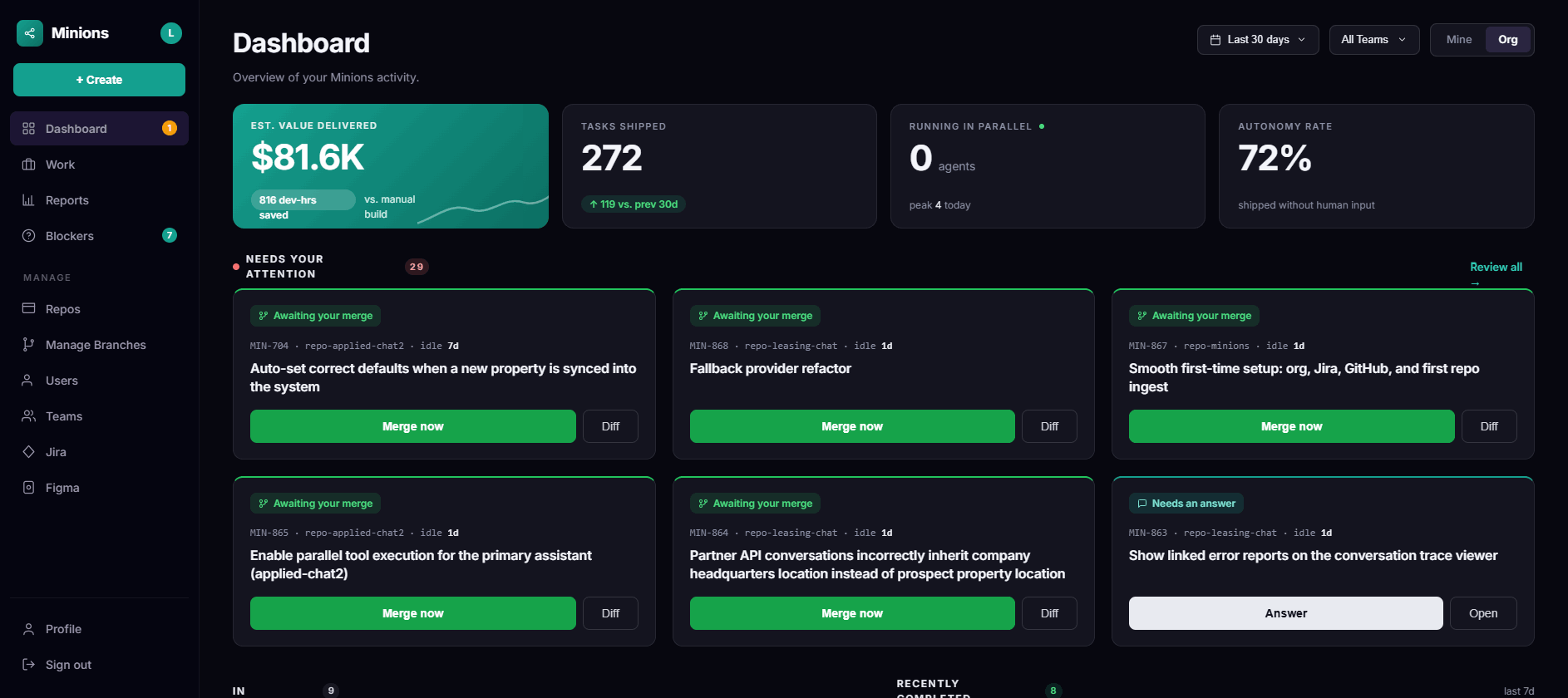
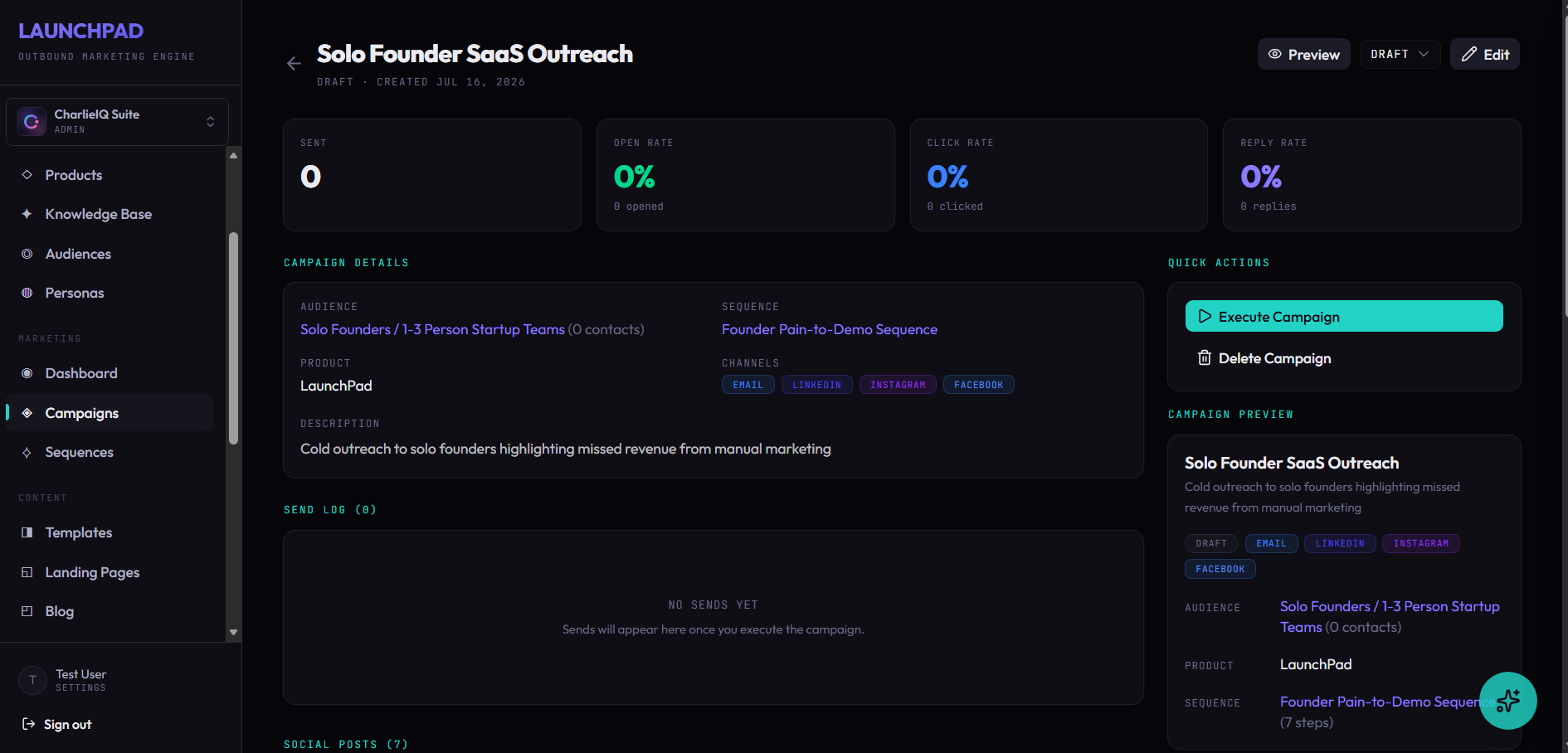
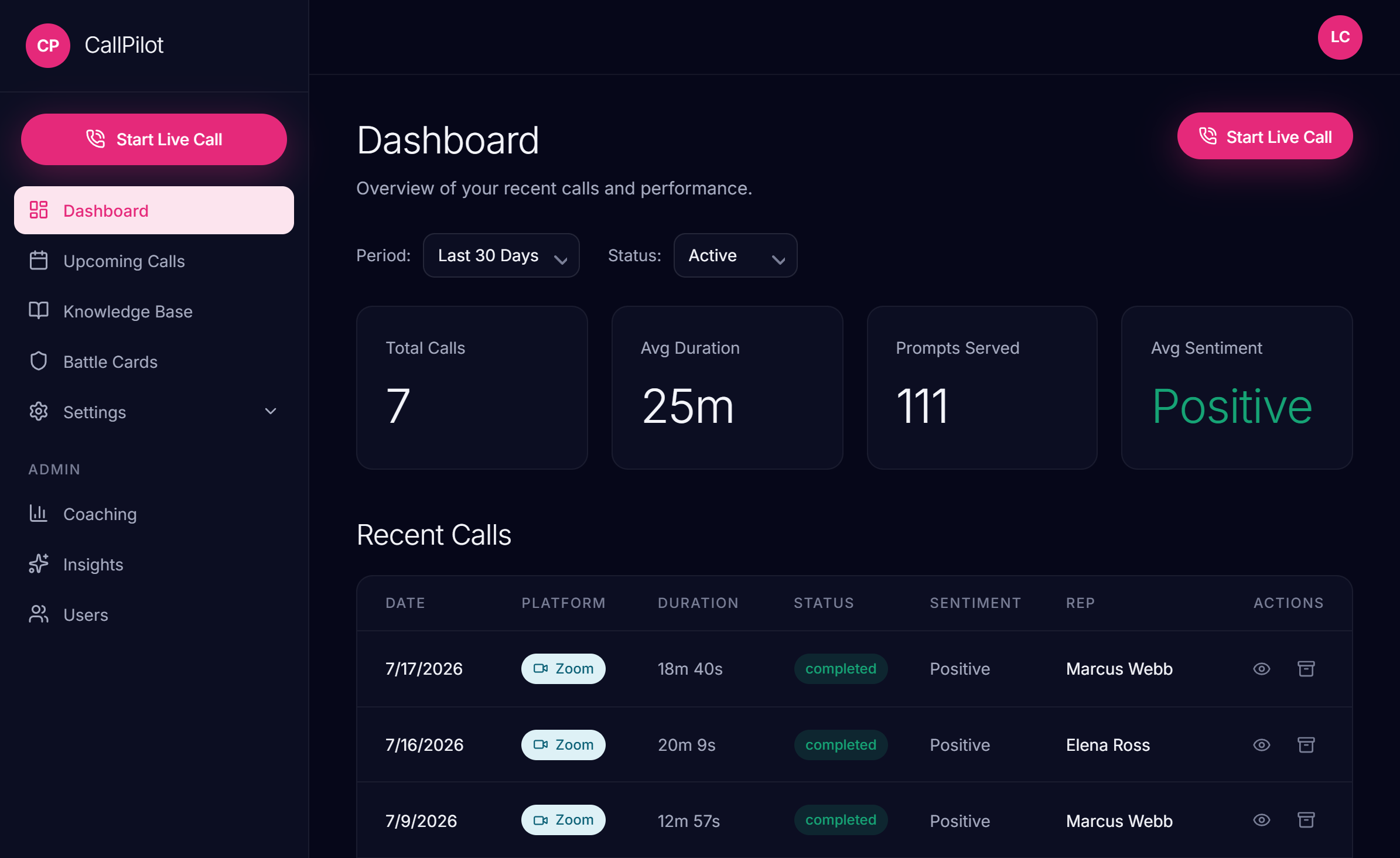
AI operations eliminate the lag between departments. Minions completes spec-to-PR cycles in minutes. LaunchPad generates launch-ready campaigns when code merges. CallPilot briefs sales teams automatically. Support Copilot resolves tickets before they escalate — and Nexus is the shared memory that lets each one act on what the others already know.
The difference? You ship quarterly features monthly. You launch campaigns same-day. You close deals faster.
Modern AI for small teams doesn't mean losing control. Every action requires approval. Every change needs review. You own the code. You approve the campaigns. You control the process.
What running leaner actually means
Running lean doesn't mean doing less. It means doing more with fixed resources. AI operations handle the repeatable work — code generation, campaign creation, call prep, ticket responses. Your team handles the strategic work — architectural decisions, brand direction, deal negotiation, customer relationships.
Four specialized AI tools on one platform. Shared context between functions. Zero handoff delays. Human approval gates at every step.
Start with assessment, not commitment
The real cost of doing nothing is another quarter of manual operations. Another three months of delayed features. Another 90 days of missed revenue.
CharlieIQ's fixed-scope AI Sprint delivers EBITDA-sized opportunities and a leadership-aligned roadmap before any build commitment. You see the impact before you commit. Then you choose: implement AI operations, or continue manual processes.
One path scales. The other bleeds resources.
Your operational AI suite is ready. Your team is at capacity. The question isn't whether to adopt AI operations — it's whether you can afford another quarter without them.